وصف الدورة
Course Content
1. Legal Verification
Participants will learn how to verify the vehicle’s legal and identification information before starting the technical inspection. This includes checking the Vehicle Identification Number (VIN), matching chassis and engine information, reviewing registration documents, verifying ownership details, and identifying possible inconsistencies in vehicle history or documentation.
2. Chassis and Body Inspection
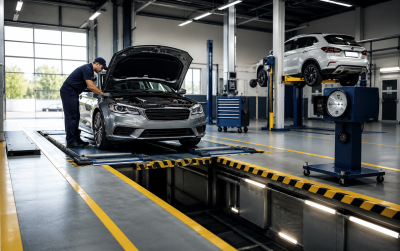
This section focuses on inspecting the vehicle body, chassis, paintwork, panels, doors, glass, lights, tires, and underbody. Participants will learn how to identify signs of accident repairs, repainting, corrosion, welding, chassis damage, structural misalignment, water damage, and poor-quality body repairs.
3. Electrical and Computer System Inspection
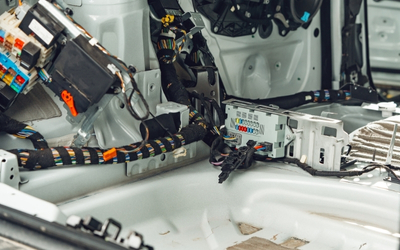
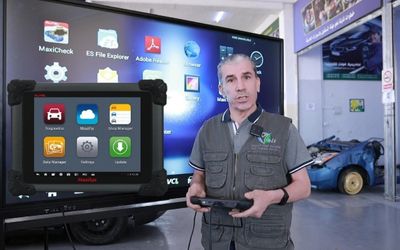
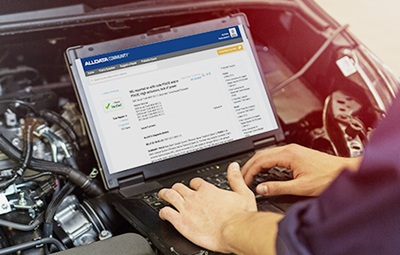
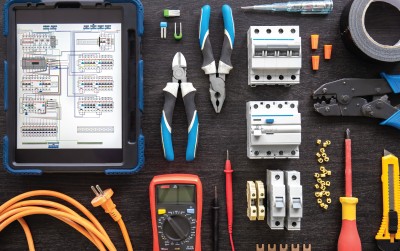
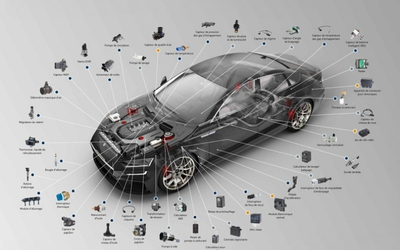
Participants will learn how to inspect the electrical system and use diagnostic tools to scan for fault codes. The module covers battery condition, charging system, lighting, sensors, dashboard warning lights, wiring condition, electronic control units, and computer diagnostic reports.
4. Mechanical Inspection
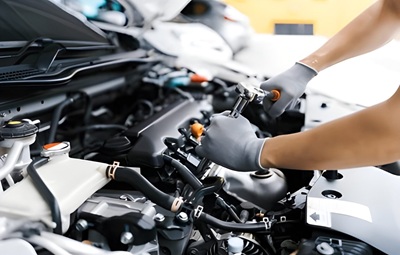
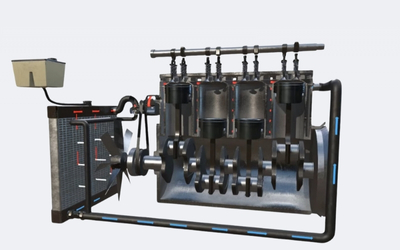
This module covers the inspection of the engine, transmission, cooling system, braking system, steering system, suspension, exhaust system, fluids, belts, hoses, and engine mounting components. Participants will learn how to identify leaks, unusual noises, vibration, smoke, overheating signs, and common mechanical defects.
5. Road Test and Driving Evaluation
Participants will learn how to evaluate the vehicle during a road test. This includes checking engine performance, acceleration, braking response, transmission shifting, steering stability, suspension comfort, wheel alignment, vibration, abnormal sounds, and overall driving behavior.
6. High-Voltage System Inspection
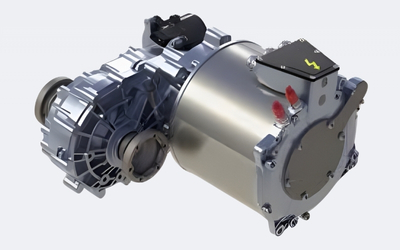
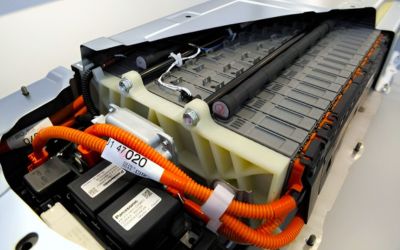
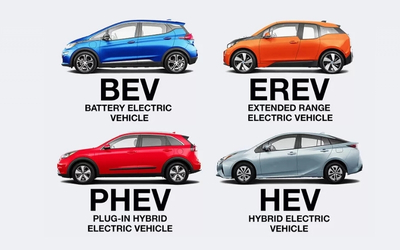
This module introduces the inspection of hybrid and electric vehicle systems. Participants will learn how to evaluate the condition of the high-voltage battery, battery cooling system, charging system, inverter, electric motor, high-voltage warning indicators, fault codes, and visible safety concerns related to high-voltage components.